Industrial Effluent Treatment Plant(ETP) About
An
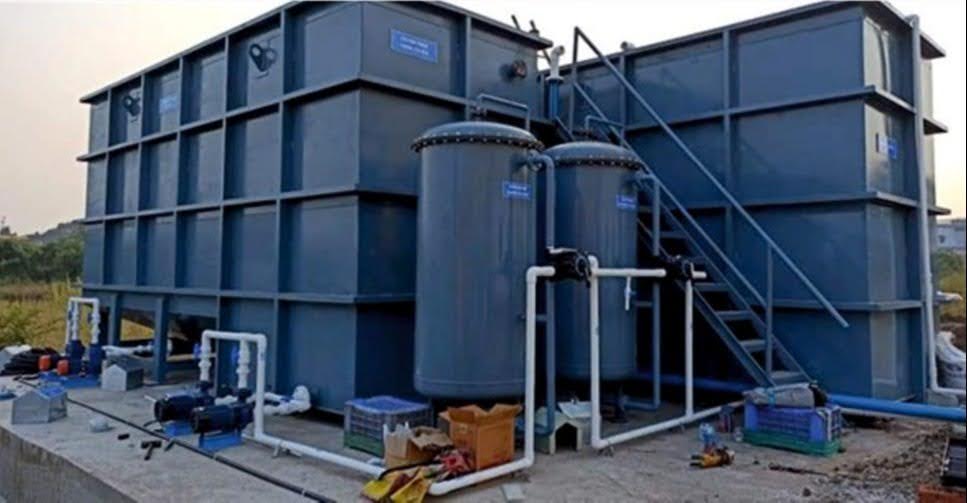
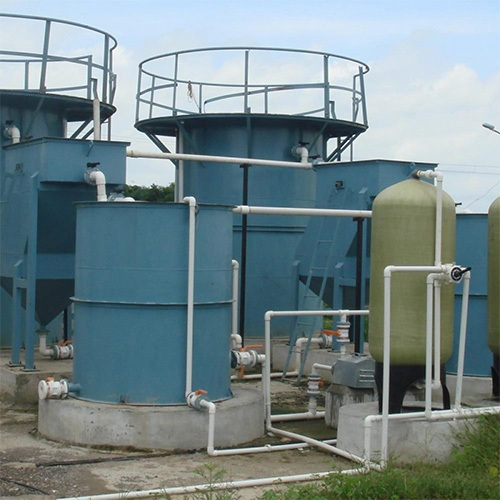
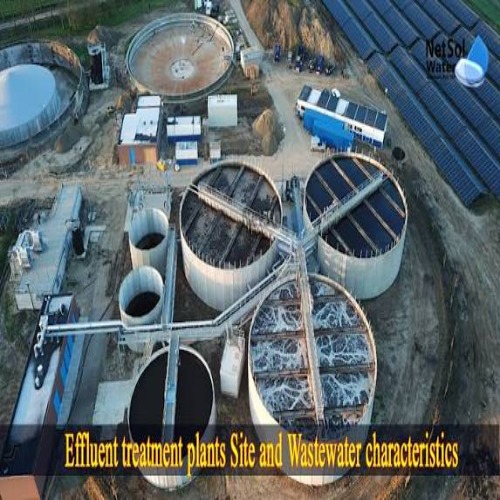
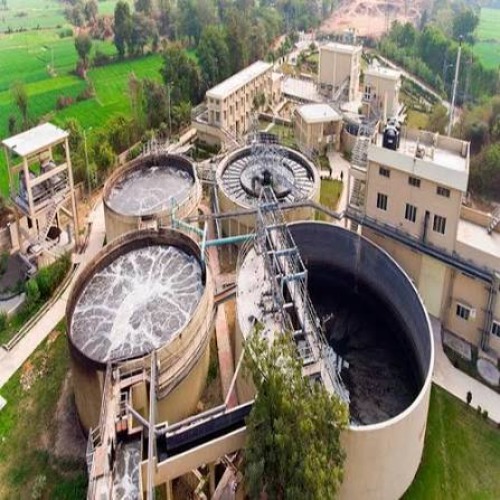
Industrial ETP (Effluent Treatment Plant) is a system that treats wastewater generated by industries before it is discharged into the environment or reused. Its purpose is to remove contaminants such as suspended solids, oils, chemicals, heavy metals, and organic pollutants so the treated water meets environmental standards.
Efficient Treatment ProcessThe plant utilizes a combination of physico-chemical, biological, filtration, and disinfection stages to thoroughly treat industrial wastewater. With advanced technologies like ASP, MBBR, and integrated clarifiers, it ensures stringent reduction of BOD, COD, and TSS. This robust process, managed via automated or semi-automated control panels, optimizes performance while meeting environmental standards.
Customizable and Compact DesignOur ETP offers compact, area-efficient installation for versatile facility layouts, including containerized or above-ground options. Custom dimensions, membrane additions, and various automation grades ensure seamless integration into new or existing infrastructure. Industrial-grade materials and coatings enhance longevity, while accessories such as service platforms and handrails promote safe maintenance.
Seamless Operation and MaintenanceIntegrated sludge management and automated chemical dosing systems simplify operation, enabling efficient, user-friendly experience. The low-noise design (less than 70 dB) and robust build support demanding industrial environments. With a design life of 10-15 years (with regular maintenance), our solution guarantees reliability and continuous compliance with CPCB pollution control norms.
FAQ's of Industrial Effluent Treatment Plant(ETP):
Q: How does the Industrial Effluent Treatment Plant handle high levels of TSS in the inlet water?
A: The ETP is engineered to tolerate inlet TSS (Total Suspended Solids) up to 5000 mg/L by employing a combination of physico-chemical and biological processes, such as coagulation, flocculation, sedimentation, and activated sludge methods. These stages effectively capture and remove suspended solids before the water moves through advanced filtration, resulting in high-quality effluent with TSS below 20 mg/L.
Q: What types of industries can benefit from installing this ETP?
A: Industries such as textiles, chemicals, pharmaceuticals, food processing, and dyeing can benefit from this ETP. The system is specifically designed to address complex industrial wastewater challenges, offering adaptability and compliance for a wide range of effluent characteristics typical of these sectors.
Q: What is the process flow of this Effluent Treatment Plant?
A: The process begins with the collection of raw industrial effluent, followed by physico-chemical treatment (pH adjustment, coagulation, and flocculation), primary clarification, and advanced biological treatment using ASP and MBBR technologies. Fine bubble diffusers provide efficient aeration, while integrated sludge handling and filtration further purify the water. Optional disinfection and membrane filtration ensure the final effluent meets stringent CPCB norms.
Q: When should the ETP undergo maintenance and what is its design life?
A: Routine maintenance-including checking pumps, chemical dosing systems, and sludge management components-should be scheduled as recommended by the manufacturer for optimal longevity. With proper, timely maintenance, the plant boasts a long design life of 10-15 years, ensuring sustained operational efficiency and compliance.
Q: Where can the ETP be installed and what are the available installation configurations?
A: The ETP can be installed above ground or as a containerized system, making it suitable for both new and existing industrial sites. Its compact footprint and customizable dimensions allow flexible installation, even in space-constrained environments.
Q: How does the integrated sludge management system contribute to plant efficiency?
A: The integrated sludge management system automates sludge handling from generation to dewatering, minimizing manual intervention and reducing downtime. This promotes continuous operation and optimizes resource usage, enhancing overall treatment efficiency and operational safety.
Q: What are the benefits of using PLC/SCADA-based control panels?
A: PLC/SCADA-based control panels (optional) offer advanced automation, real-time monitoring, and precise control of all treatment parameters. This ensures greater process consistency, reduces human error, enables data logging, and facilitates remote operation, contributing to higher reliability and easier compliance management.
 Send Inquiry



 Send Inquiry

 Send Inquiry


 English
 Spanish
 French
 German
 Italian
 Chinese (Simplified)
 Japanese
 Korean
 Arabic
 Portuguese