About Dairy Effluent Treatment Plant(ETP)
A
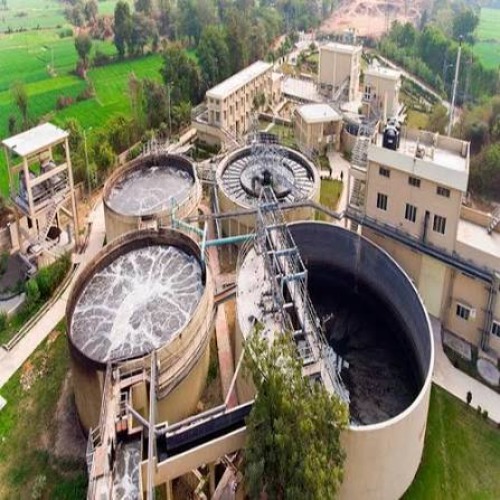
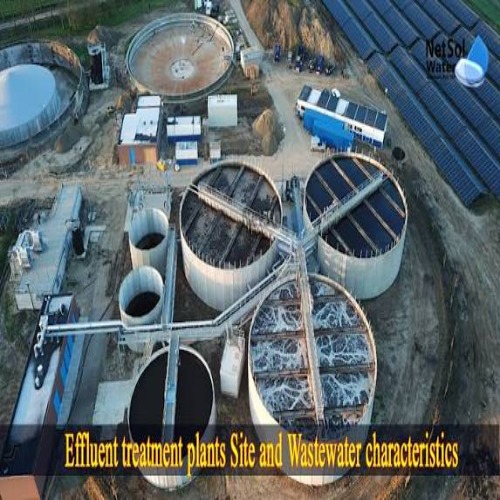
Dairy Effluent Treatment Plant (ETP) is a wastewater treatment system used in dairy processing industries to treat wastewater generated from milk processing, equipment washing, cleaning-in-place (CIP) systems, and packaging operations before it is discharged or reused. Dairy wastewater typically contains high levels of fats, oils, grease (FOG), proteins, lactose, suspended solids, and organic matter, resulting in high BOD and COD values.
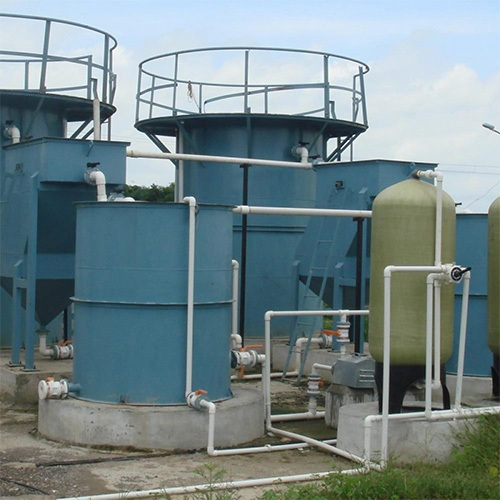
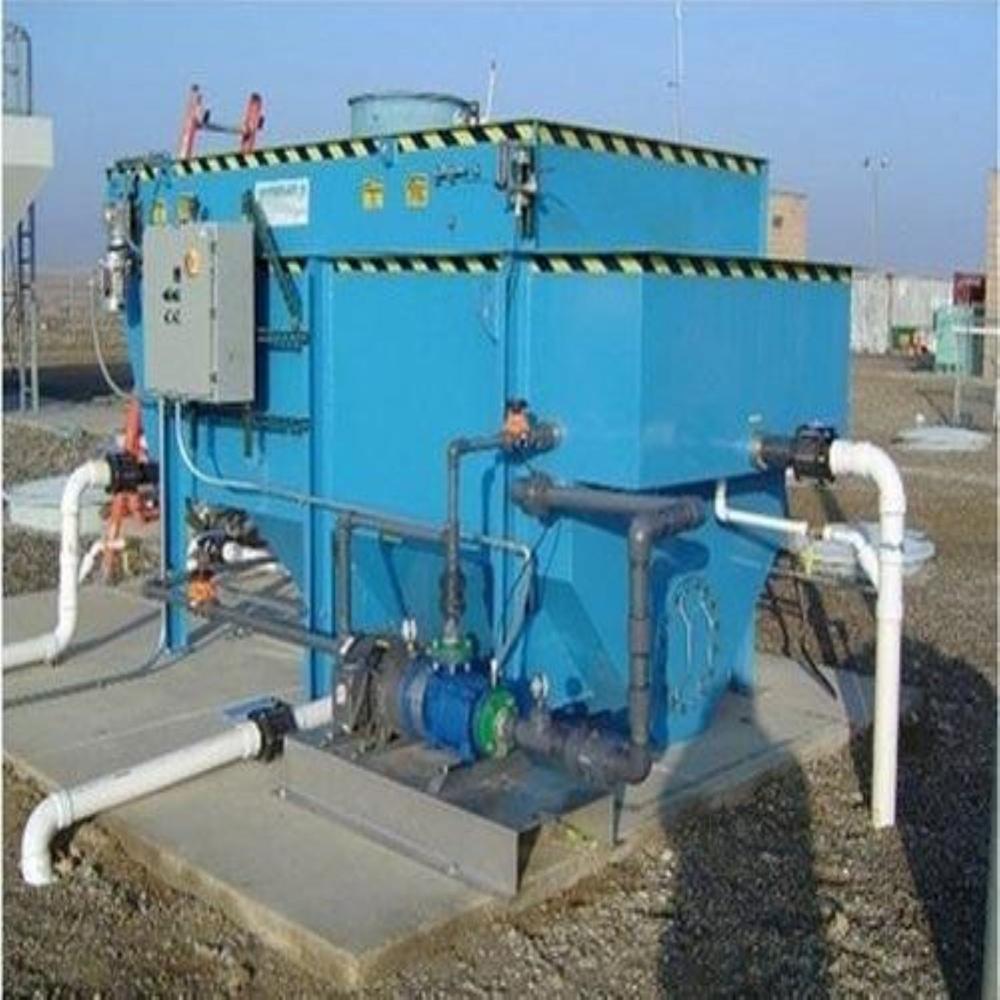
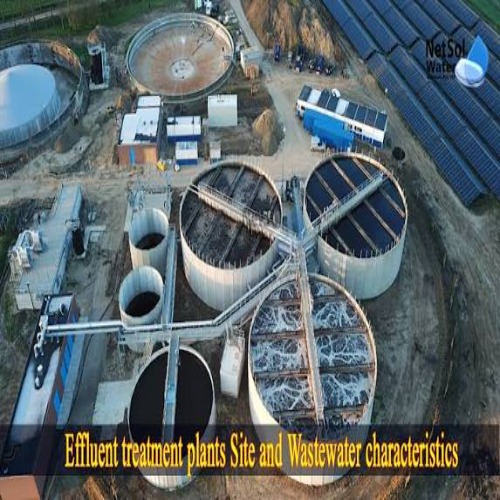
Complete Effluent Treatment SolutionThis plant combines all essential stages of dairy effluent treatment, from primary screening and grit removal to advanced secondary processes like aeration and biological treatment, culminating in tertiary disinfection. The integrated sludge handling ensures safe and efficient solids management. The system is engineered for various flow rates and customizable based on site and process needs, delivering reliable and compliant water output.
Tailored Design & AutomationOur ETP solutions are custom-designed to match plant size, inlet pollution loads, and user requirements. Advanced control via PLC or SCADA automation is available, ensuring precise process management and minimized human intervention. Both automatic and semi-automatic options can be integrated for convenience and operational efficiency.
Compliance, Safety & Service AssuranceThe system guarantees compliance with CPCB and state pollution standards, providing discharge-ready or reusable water. Key safety features include leak detection, overload protection, and emergency shut-off. We offer turnkey installation and optional Annual Maintenance Contracts, ensuring long operating life-typically 15-25 years with appropriate care.
FAQ's of Dairy Effluent Treatment Plant(ETP):
Q: How does the Dairy Effluent Treatment Plant effectively treat dairy wastewater?
A: The plant employs a combination of primary (screening, grit removal), secondary (aeration tanks, biological reactors), and tertiary (filtration, UV/chlorination) processes. These stages systematically remove organic matter, suspended solids, and pathogens, ensuring the treated effluent meets regulatory standards for discharge or reuse.
Q: What is the benefit of integrating a sludge handling system with the ETP?
A: The integrated sludge handling system-including dewatering and drying beds or mechanical methods-enables efficient removal and safe management of solid residues, reducing operational costs and environmental impact. This ensures compliance and minimizes disposal challenges.
Q: When should a dairy processing facility consider installing an ETP with advanced automation?
A: Facilities with high effluent loads, stricter discharge criteria, or the need for consistent, reliable treatment benefit most from ETPs equipped with PLC/SCADA automation. Automation increases process efficiency, safety, and ease of operation for both new and expanding plants.
Q: Where can the treated water from the ETP be utilized?
A: The treated water-meeting BOD, COD, and TSS standards-can be safely discharged to the environment as per legal norms or reused within the facility for utilities like irrigation, cleaning, or cooling, providing cost savings and sustainable resource use.
Q: What are the main steps involved in the operation and maintenance of the ETP?
A: Routine operation includes monitoring pH, flow, and pollution parameters, checking automated controls, and performing preventive maintenance on tanks, pumps, and sludge handling units. Opting for an AMC ensures professional upkeep, optimizing plant longevity and compliance.
Q: How customizable is the ETP for varying dairy effluent characteristics?
A: The system is highly customizable-options for plant size, inlet capacities (10 KLD-1,000 KLD+), process selection, automation grade, and materials like MS, SS, or RCC are available. Specific components, such as membranes, can be selected to meet unique site or effluent challenges.
 Send Inquiry



 Send Inquiry

 Send Inquiry


 English
 Spanish
 French
 German
 Italian
 Chinese (Simplified)
 Japanese
 Korean
 Arabic
 Portuguese